Roof Repairs in Succasunna NJ for Cracked, Curled, or Loose Shingles

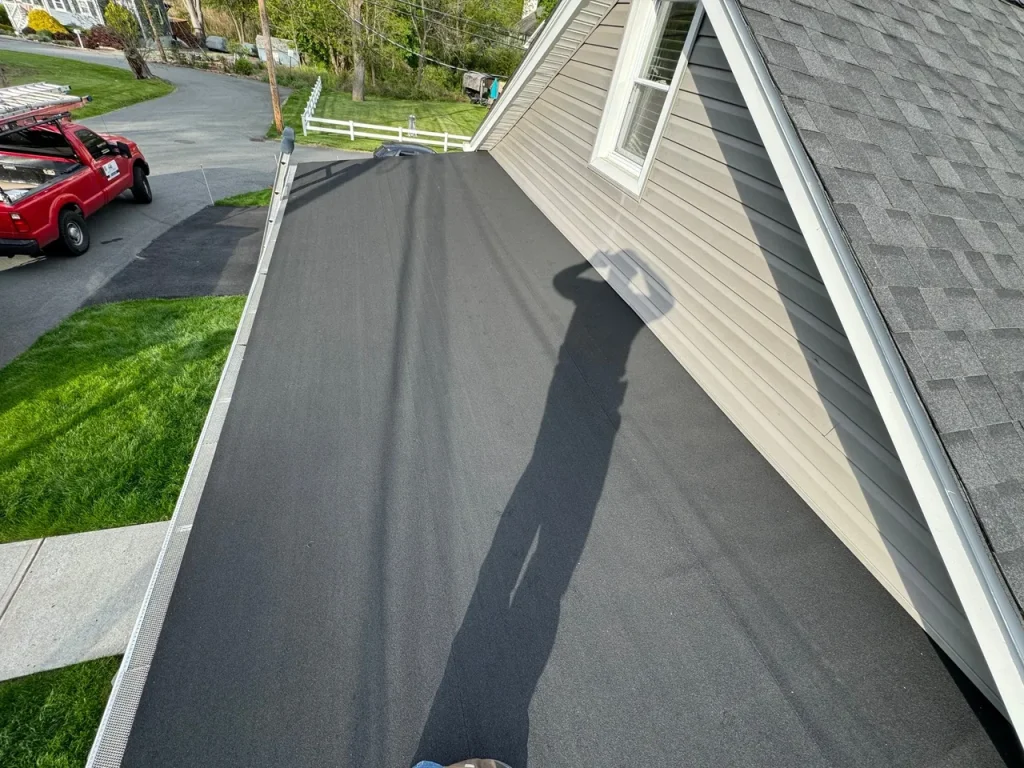
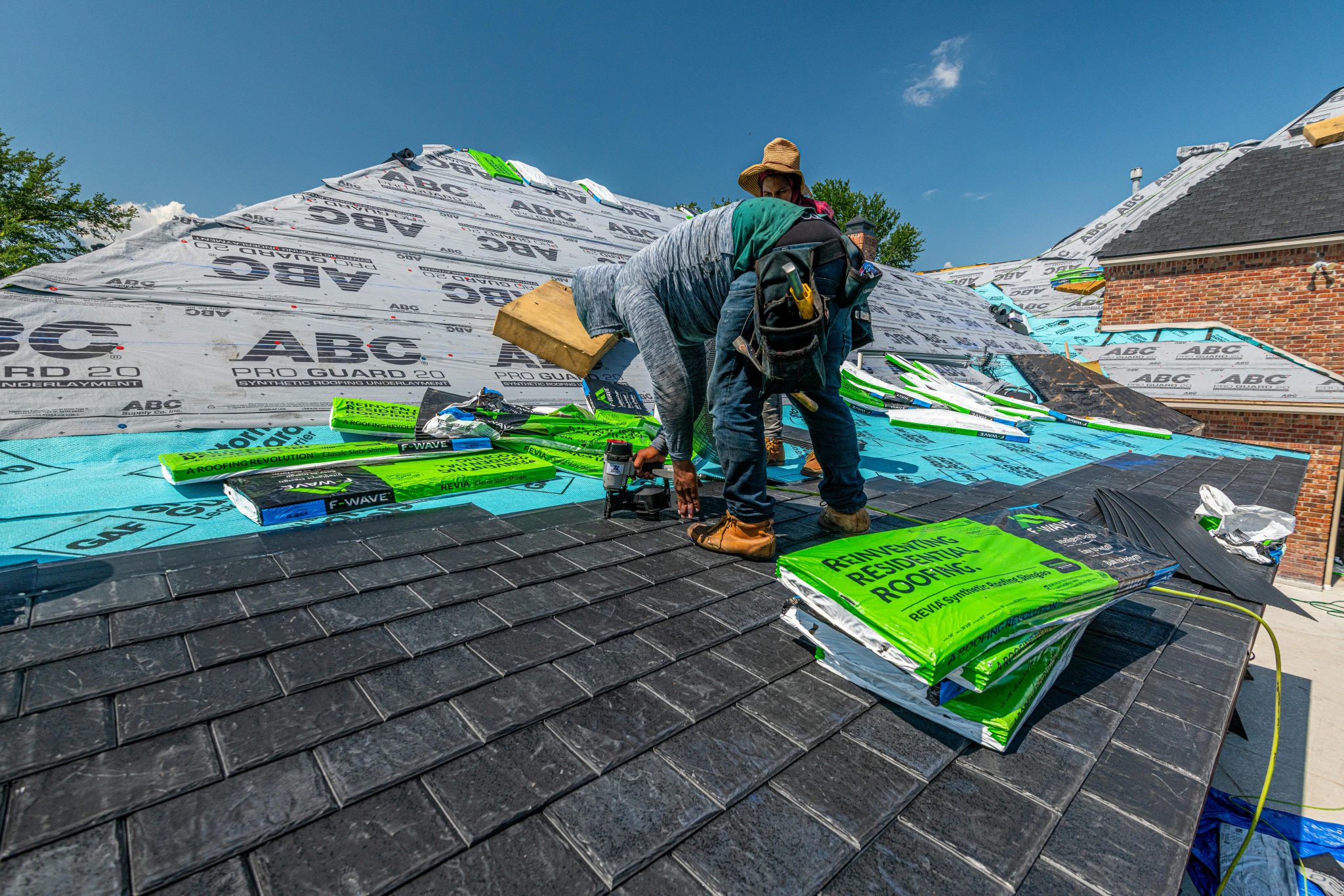
A roof rarely fails all at once. More often, it starts with a few shingles that look slightly off. A corner lifts after a windy night. A tab curls along the edge where the afternoon sun hits hardest. A crack shows up near the lower slope where winter ice sat a little too long. None of those details seem dramatic from the driveway, but that is exactly how water gets a foothold.
Homeowners in Succasunna tend to see a mix of roofing wear that comes from four local pressures at once: humid summers, freeze-thaw winters, strong wind events, and trees that keep parts of a roof shaded longer than ideal. That combination is rough on asphalt shingles. One season bakes them, the next makes them brittle, and every storm tests whether the seal strips and fasteners are still doing their job.
When people search for Roof Repairs Succasunna NJ, they are usually dealing with one of three visible shingle problems: cracking, curling, or loosening. Those issues may look similar from the ground, but the cause and the right repair can be very different. A good roof repair is not just replacing what looks bad. It is understanding why that section failed in the first place, then fixing both the symptom and the weakness behind it.
What cracked, curled, or loose shingles are really telling you
Shingles age in layers. The visible surface loses granules, the asphalt dries out, the fiberglass mat underneath becomes less forgiving, and the adhesive bond weakens over time. By the time a shingle cracks or lifts, it has usually been under stress for a while.
Cracked shingles often show up on older roofs or on roofs that have gone through repeated winter cycles. Cold makes aging shingles less flexible. If someone walks the roof on a frigid morning, even carefully, a brittle tab can split. Cracks can also happen around nail lines if the original fastening pattern was off, or if the roof deck beneath has minor movement. A single crack may not leak immediately, but it leaves the underlayment and nail penetrations more exposed.
Curled shingles usually point to age, poor attic ventilation, moisture imbalance, or a mix of all three. When shingle edges curl upward or cup inward, wind can get underneath more easily. Once that happens, the shingle becomes more vulnerable every time the weather turns. Curling also changes how water sheds. Rain should move cleanly down and off the roof. A curled edge interrupts that path and can steer water where it does not belong.
Loose shingles are a separate problem, even though they often appear alongside curling. A shingle can loosen because the sealant strip has failed, because fasteners backed out, because the original nails were overdriven or underdriven, or because wind simply exceeded what that roof section could handle. Loose shingles are especially common near ridges, eaves, hips, and roof edges where wind pressure is strongest.
These are not cosmetic quirks. They are warning signs. If you catch them early, Roof Repairs are usually targeted and manageable. If they are left alone through a few heavy storms, the repair can spread from shingles to underlayment, flashing, roof decking, insulation, drywall, and paint.
Why Succasunna roofs often fail in patches rather than all over
In many neighborhoods around Succasunna, roofs do not age evenly. One side may still look respectable while another side is clearly distressed. South- and west-facing slopes usually take more sun and temperature swing, so they often show earlier curling and granule loss. North-facing sections may stay damp longer, especially if mature trees limit airflow and sunlight. That encourages algae growth, moss in some cases, and lingering moisture around shingle edges.
I have seen roofs where the front slope looked five years older than the back, simply because it took the brunt of weather and had less tree cover. I have also seen the reverse, where a heavily shaded rear section held moisture long enough to soften the roof system around flashing and valleys. That uneven wear matters because it affects whether a homeowner needs a small repair, a partial section replacement, or a broader conversation about roof life expectancy.
Storm patterns matter too. Wind does not hit every roof the same way. Two houses on the same street can come through the same storm with very different damage depending on roof shape, tree exposure, chimney placement, and whether one section creates turbulence over another. That is why a contractor should never diagnose from photos alone if the symptoms suggest active movement or leakage.
When a shingle repair is enough, and when it is not
Not every damaged shingle means the whole roof is at the end of its life. This is where judgment matters. A repair is worthwhile when the surrounding shingles still have useful life, the deck is sound, and the damage is limited enough that new materials can integrate properly. If a few tabs cracked after a wind event, or one section loosened near a roof edge, a focused repair often makes perfect sense.
The opposite is also true. If the shingles across a large area are brittle, severely curled, or losing granules at a heavy rate, replacing a handful may fix the immediate opening but not the larger failure. Sometimes you can patch the wound, but the roof is already telling you the system is worn out. The homeowner spends money twice if that reality is ignored.
A practical example: a twelve-year-old architectural shingle roof with isolated wind damage near the ridge is often a strong candidate for repair. A twenty-five-year-old three-tab roof with widespread curling, exposed fiberglass, and frequent seal strip failure usually is not. The visible damage may look similar from the lawn, but the repair value is completely different.
The hidden spots that deserve as much attention as the shingles
A lot of leak investigations start with a shingle complaint and end with flashing, ventilation, or decking findings. That is not mission creep. It is how roofs behave in the real world.
If a shingle has come loose near a chimney, step flashing and counterflashing need to be checked. If cracks appear around a bathroom vent or pipe boot, the rubber collar and surrounding nail placements matter just as much as the shingle tabs. If curling is concentrated high on the roof, inadequate attic ventilation might be contributing to heat buildup under the roof deck. If damage clusters near a valley, then water volume and debris movement are part of the story.
One of the most common repair mistakes is swapping visible shingles without addressing what made them vulnerable. That can buy a little time, but not much. Good Roof Repairs in Succasunna NJ should always include a look at adjacent components, especially where roof planes intersect or penetrations break the surface.
What a proper repair usually involves
A professional shingle repair is more than sliding in a new piece and adding roofing cement. On an older roof, the technician has to work carefully to avoid damaging neighboring shingles while lifting tabs and removing fasteners. Matching color and profile can be tricky if the roof has weathered for years. Even when the manufacturer line is known, sun exposure changes the appearance of existing shingles enough that the repaired area may show at first.
The process usually starts with confirming the full extent of damage. That includes checking the shingle above and below the visible issue, because water and wind rarely affect just one tab. The repair area is then opened carefully, fasteners are removed, compromised shingles are replaced, and new shingles are secured according to manufacturer guidance and site conditions. Sealant may be used strategically where hand-sealing is appropriate, especially when temperature conditions are not ideal for factory adhesive strips to activate quickly.
If underlayment is torn or the decking feels soft, the repair has to go a step further. Covering soft decking with fresh shingles is not a repair. It is a delay. Solid fastening requires solid substrate.
Signs a homeowner should not ignore after a storm
Sometimes the roof itself is not the first place damage shows up. A homeowner may notice a stain on a bedroom ceiling, damp insulation in the attic, granules collecting near the downspout, or bits of shingle in the yard. All of those can point back to cracked, curled, or loose shingles.
The most useful habit after a significant storm is a calm visual check from the ground and from inside the attic if it is safe to enter. Look for irregular roof lines, missing tabs, exposed underlayment, fresh debris, or daylight where it should not be visible.
Here are five signs that merit a closer inspection:
- Shingles that appear lifted, shifted, or missing after wind.
- Ceiling stains or paint bubbling on upper-floor rooms.
- Granules collecting in gutters far more than usual.
- Damp attic insulation, especially after steady rain.
- Visible curling or cracking concentrated in one roof section.
Those symptoms do not always mean a major repair, but they almost always justify a serious look. Small openings become expensive when they stay wet through multiple weather cycles.
Timing matters more than most homeowners expect
There is a short window where many shingle problems are still straightforward. Once water gets under the roof covering, materials begin to change. Wood sheathing can swell. Fasteners can loosen further. Insulation loses performance when it stays damp. Mold risk rises, especially in poorly ventilated attics. What could have been a controlled shingle repair in April turns into a roof and interior project by July.
Winter adds another layer. In northern New Jersey, a loose or cracked shingle going into freezing weather can set up an ice-related leak path. Water enters during a thaw, refreezes, expands, and opens things wider. By late winter, the damage below the shingles often exceeds what anyone expected from a “small spot.”
This is one reason local response matters. Contractors familiar with Roof Repairs Succasunna NJ understand the seasonal pressure points. They know that a repair in late fall needs extra attention to sealing conditions and moisture pathways, and that shaded roof sections may behave differently from sunnier ones even on the same house.
Repair versus replacement, the honest conversation
Homeowners deserve clarity here, not a sales pitch. A repair is often the right move, but not every roof is a repair roof.
The decision usually turns on age, brittleness, extent of damage, and how much life remains in the surrounding field shingles. If a roof is nearing the end of its serviceable life, isolated repairs can still make sense as a short-term measure, especially if the goal is to get safely through a season while planning a replacement. But that should be stated plainly. It is very different from implying the roof is restored to long-term health.
A sound contractor should be able to explain the trade-off in plain language. If you spend a moderate amount now, how much time are you realistically buying? Six months, two years, maybe five in a limited area? The answer depends on roof condition, not wishful thinking.
There is also the matching issue. On newer roofs, a repair can blend fairly well. On older roofs, the patch may stand out. Some homeowners care a lot about that. Others care only that the roof is watertight. Neither view is wrong, but it should be discussed before work starts.
Ventilation, moisture, and why some repairs fail too soon
It is easy to blame shingles for every roofing problem, but poor attic conditions can shorten the life of an otherwise decent roof. If hot, moist air gets trapped under the roof deck, shingles above that area often age faster. Curling and premature deterioration can show up sooner than expected. In winter, warm interior air leaking into the attic can contribute to condensation and uneven roof temperatures, both of which complicate roofing performance.
That does not mean every curled shingle points to a ventilation defect. Age and weather exposure are still the most common culprits. But when damage patterns are unusual, especially when one area of the roof is failing early, attic airflow and insulation balance should be part of the investigation.
A repair that ignores these conditions may hold for the short term and still disappoint over time. If the roof covering is repaired but heat and moisture remain trapped, the new shingles in that section are working under the same stress that damaged the old ones.
Choosing a contractor for Roof Repairs in Succasunna NJ
This is one area where a little skepticism helps. Roofing repairs require precision, and precision is hard to judge from a flyer or a quick estimate scribbled on the back of a card. Ask how the contractor plans to determine whether the problem is limited to shingles or extends to flashing and decking. Ask whether the proposed repair includes sealing procedures for cooler weather if needed. Ask what they expect the repair to accomplish, and for how long.
A strong repair contractor will usually do a few things well from the start:
- Inspect the surrounding roof area, not just the obvious damaged spot.
- Explain whether the shingles are still serviceable enough to justify repair.
- Describe possible color mismatch and life expectancy honestly.
- Check attic or interior signs if leakage is suspected.
- Put the scope in writing so there is no confusion later.
That kind of clarity tends to separate serious roofing professionals from crews that simply patch and move on.
What homeowners can do between inspection and repair
If you are waiting a few days for a scheduled roof visit, restraint is often smarter than action. Walking a damaged roof without the right footwear, ladder setup, and experience causes a lot of secondary damage, especially on older shingles. Cracked tabs can multiply under foot traffic. A hurried tarp job can also do more harm than good if it traps water or is secured improperly.
The safest useful step is documentation. Take photos from the ground if you can do so clearly. Note where interior stains are located and whether they grow after rain. If you can safely view the attic, check for active drips, damp wood, or staining along nail points. That information helps the repair crew trace the issue faster.
If water is entering the home, protecting the interior matters too. Move valuables, place containers where needed, and reduce contact between moisture and drywall or flooring. Roofing problems spread through the house by delay as much as by storm force.
The cost side, without pretending every roof is the same
Homeowners understandably ask for numbers first. The honest answer is that Roof Repairs vary widely because the true cost depends on more than the visible shingle issue. A simple replacement of a few damaged shingles on an accessible slope is one thing. Repairing a steep section around flashing with underlying deck damage is another.
Price usually shifts based on roof pitch, height, access, shingle type, matching difficulty, extent of hidden damage, and whether the repair is truly isolated. Emergency response timing can also affect cost. In general, the earlier a problem is caught, the more likely it is to stay in the lower repair range. Once moisture reaches decking or interior finishes, the total project cost rises quickly.
That is why preventive attention pays off, even for homeowners who are not ready for a full roof investment. Spotting trouble when it is still just a roofing issue protects the budget as much as the structure.
Why repairs done well are worth it
There is a tendency to think of repairs as temporary by definition. Some are. Others are simply targeted maintenance on a roof that still has good life left. A well-executed repair can restore weather resistance, prevent interior damage, and extend the useful service of the roof in a meaningful way. The difference lies in diagnosis, workmanship, and honesty about the roof’s broader condition.
Cracked, curled, or loose shingles are not the kind of problem to watch for another season. They are the kind of problem to evaluate while the damage is still narrow. For many homes in Succasunna, that timely step is what separates a manageable repair from a major roofing project.
If your roof is showing those warning signs, the smartest move is a careful inspection grounded in local experience, not guesswork. Roof Repairs Succasunna NJ are most effective when they address both the damaged shingles and the conditions that caused them to fail. That is how https://pastelink.net/bzi4p3jd you get a repair that does its job in the next storm, and the one after that.
Royalty Exteriors
Address: 151 NJ-10 Ste 103A, Succasunna, NJ 07876
Phone number: +19733337234
FAQ About Roof Repairs Succasunna NJ
How much should I pay for roof repairs?
Most homeowners pay an average of $900 to $1,200 for roof repairs, with typical projects ranging from $150 to $3,000+ depending on the severity of the damage.
What are the most common roof repairs?
The most common roof repair is fixing water leaks by replacing damaged, cracked, or missing asphalt shingles and sealing compromised flashing.
Does homeowners insurance pay for roof repairs?
Homeowners insurance pays for roof repairs only if the damage is sudden and accidental, such as from a storm, hail, or a falling tree.